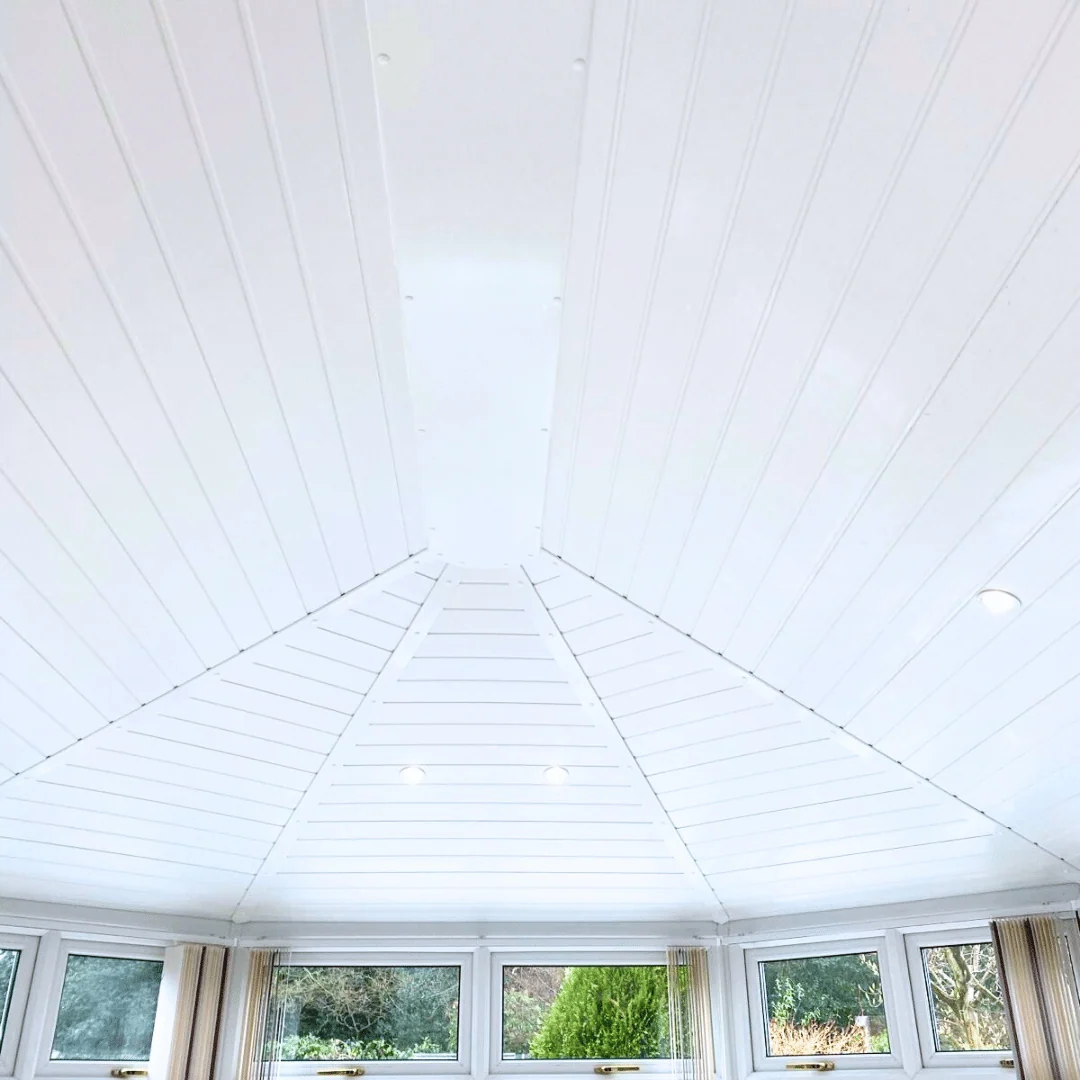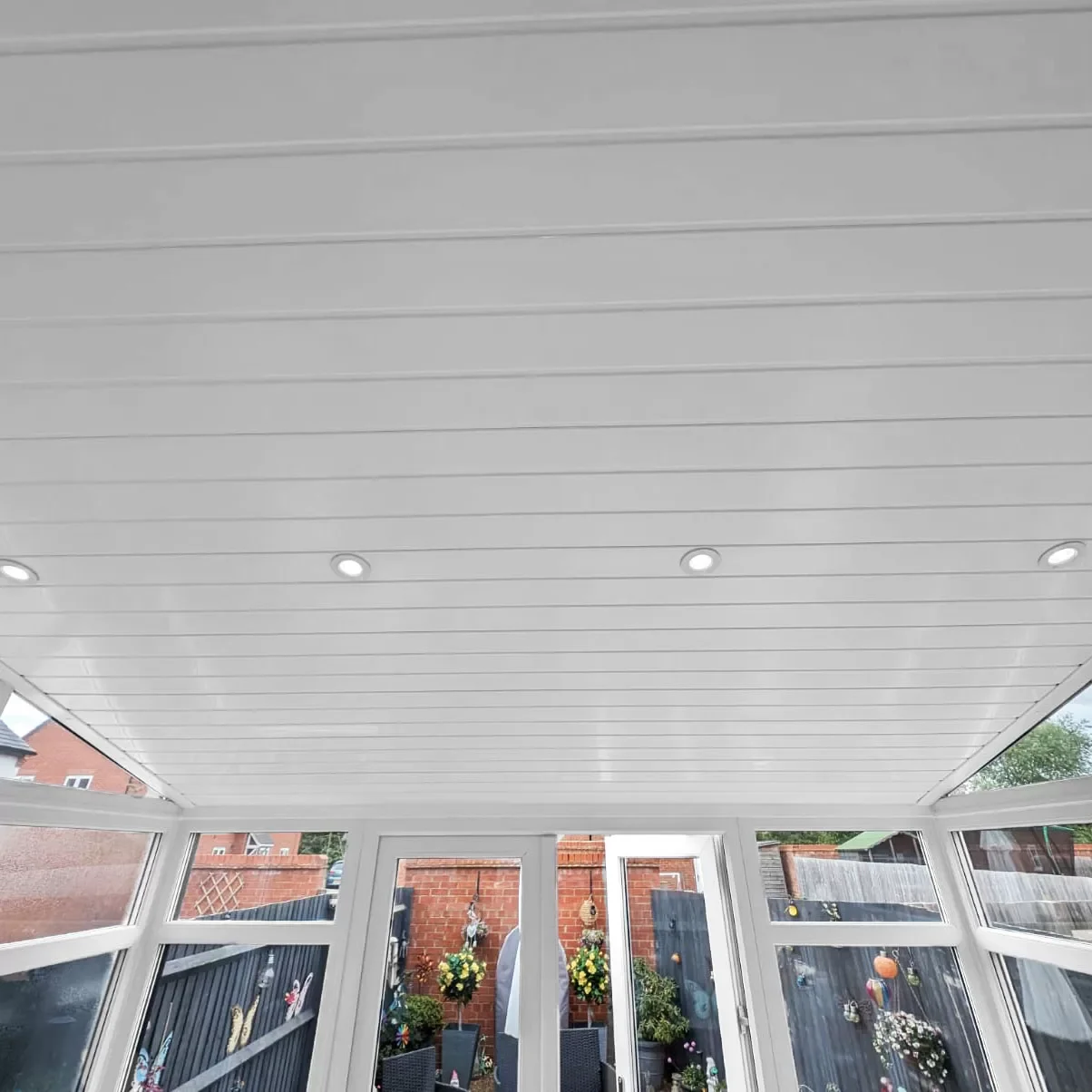

Managing moisture in a conservatory is primarily about understanding airflow and temperature differentials. Many homeowners find that their conservatory becomes a magnet for condensation as the nights grow longer and the outdoor temperatures drop significantly. By improving your ventilation habits and ensuring that the room remains part of your home’s wider airflow strategy, you can prevent trapped damp air from causing issues. It is essential to remember that even with an insulated ceiling fitted beneath your existing roof, the way you use the space remains a critical factor in how moisture behaves within the room.
The Role of Surface Temperature and Condensation
Condensation occurs when warm, moisture-laden air hits a surface that is colder than its dew point. In traditional glass or polycarbonate conservatories, these roofs often act as the coldest surface in the room, making them a common spot for droplets to form. When we install an internal insulated ceiling, we change the internal surface temperature of the room. This makes the area feel more comfortable, but it does not remove the moisture from the air itself. You still need to ensure that air can circulate properly to move damp air out of the building.
Think of your conservatory as a transition zone between the garden and your main house. Activities like drying laundry, keeping many potted plants, or simply spending long evenings in the room generate humidity. If this air cannot escape, it will find the coolest remaining surfaces to settle on. By managing the temperature of the room more effectively, you reduce the extreme temperature gap that encourages condensation to form on windows or frames, but mindful ventilation is still necessary for long-term health of the space.
Practical Ways to Improve Ventilation
Improving ventilation does not mean leaving your doors open to the freezing British winter air. Instead, it is about small, consistent changes that allow air to refresh itself. Most modern conservatories have window vents or top openers that are often overlooked. Keeping these in a partially open position, even for a few hours during the day, can make a significant difference. It allows for a gentle exchange of air, which helps dilute the concentration of moisture before it has a chance to settle on cold surfaces.
If you are concerned about your current airflow, you should conduct a few simple checks. These small habits can help you take control of your environment and identify where moisture might be accumulating unnecessarily.
Check that your trickle vents are open and free from dust or debris to allow a constant, low-level airflow.
Avoid drying clothes directly inside the conservatory, as this releases large amounts of water vapour into the room.
Ensure that your conservatory is not overly crowded with plants, as these release moisture through transpiration.
Open windows for short periods during the warmest part of the day to purge humid air.
Understanding Your Conservatory Structure
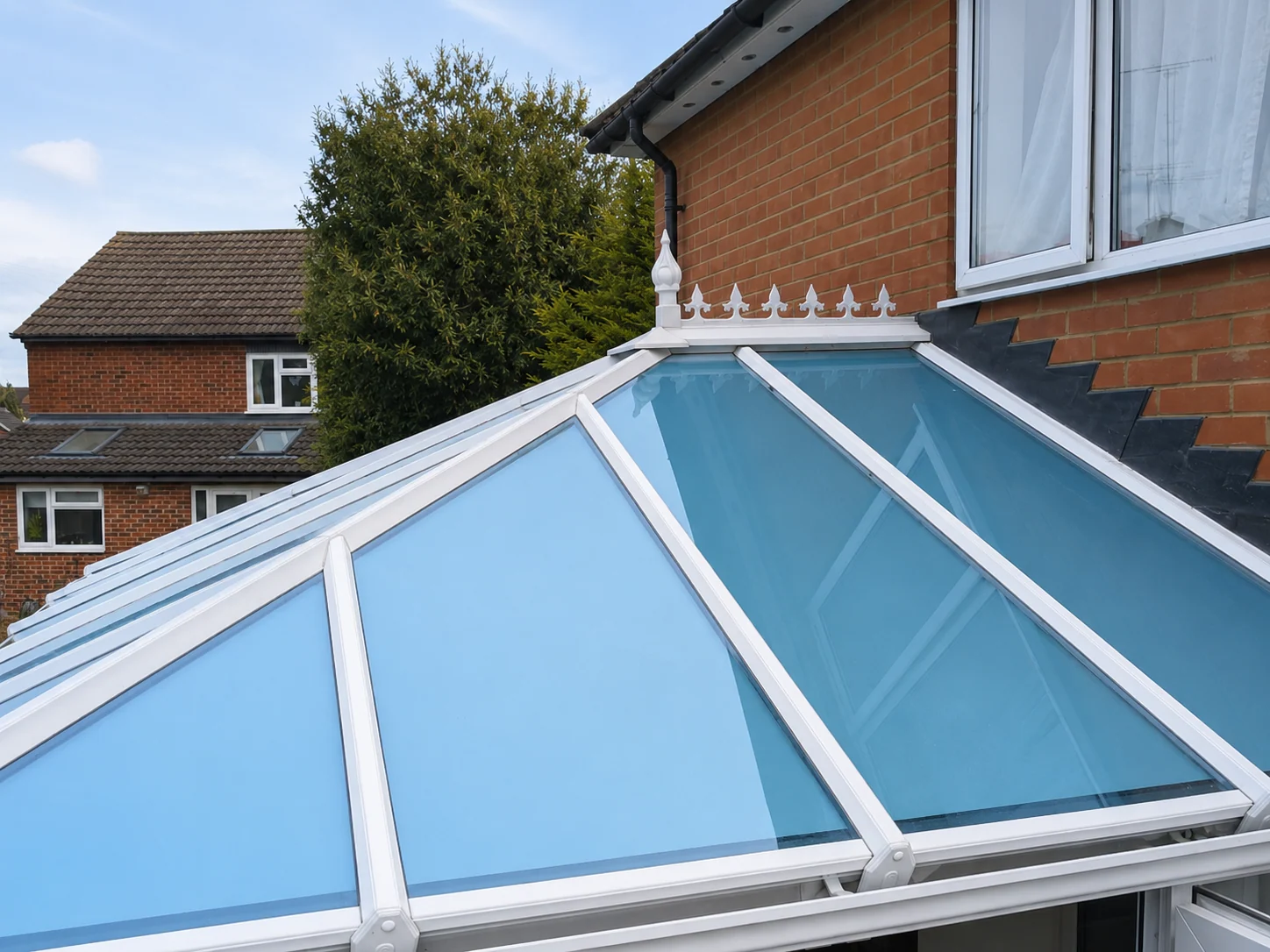
It is important to understand that not all roofs perform the same. A lean-to conservatory, for example, has a different structural profile than a Victorian or Edwardian style. When considering upgrades such as an EPDM rubber roof for a lean-to, the focus is on creating a weather-tight exterior that is subject to a site survey and building control assessment. A well-fitted, solid roof structure can certainly help in managing the thermal balance of the room, but it must work in harmony with the rest of the existing frame and your ventilation strategy.
If you are struggling with high moisture levels in a lean-to design, looking at the roof condition is a good first step. If the existing seals are failing, moisture may be entering from the outside rather than just being generated from within. A professional survey can help determine if the structure is sound or if specific upgrades would be suitable for your property. Always prioritise the long-term integrity of the conservatory frame alongside any internal aesthetic improvements you choose to make.
See the difference
Real homes. Real CIUK transformations.
Managing Daily Life and Humidity
Living in a conservatory throughout November means accepting that the outside environment will inevitably impact your indoors. We often see homeowners trying to block every possible draft, but this can actually be counterproductive. By sealing a room too tightly, you trap moisture inside, which eventually leads to damp air and condensation issues. A balanced approach—where the room is comfortable but allowed to breathe—is much more effective for maintaining a fresh, usable living space.
For those with an existing insulated ceiling, remember to monitor the room as you would any other part of your home. If you notice persistent dampness, look at the sources of humidity first. Simple steps like ensuring furniture is not pushed directly against cold walls, or using a dehumidifier during extreme weather, can help bridge the gap until spring. Your conservatory is a valuable part of your home, and with a little attention to airflow, it can remain a pleasant space even on the wettest days.
Frequently asked questions
Will insulating my ceiling stop all condensation?
Insulation improves the temperature of the ceiling surface, which changes where condensation might form, but it does not eliminate the need for proper ventilation in your conservatory.
Is it safe to have an EPDM roof on my conservatory?
EPDM rubber roofs are suitable for many lean-to conservatories, provided they undergo a thorough site survey and comply with necessary building control requirements.
What is the best way to ventilate a conservatory in winter?
Using existing trickle vents or opening window vents for short periods during the day is the most effective way to refresh the air without cooling the room down too drastically.
Originally published 16 November 2026. Older technical details, prices and promotions should be checked against current CIUK information.
Ready for a more comfortable conservatory?
Discover what a beautifully finished insulated ceiling could do for your home.
Get a quote for your conservatory, explore our completed installations or speak to our team.